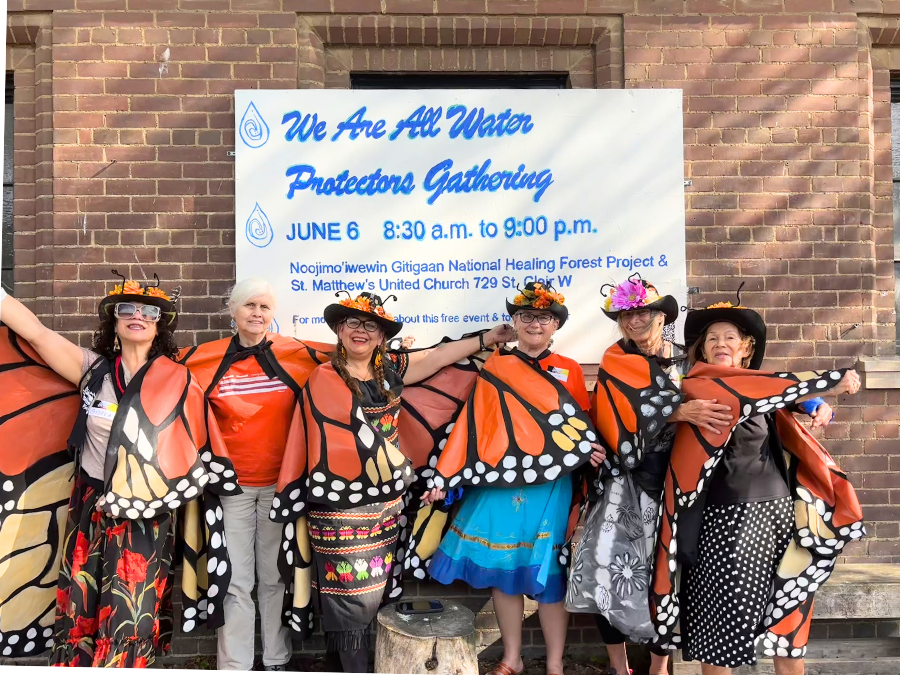
“Water is a living being.”
That message echoed through St. Matthew’s United Church in Toronto earlier this month as Indigenous Elders, activists and community members gathered for We Are All Water Protectors, an event calling for a fundamental shift in how Canadians think about and care for water.
You may unsubscribe from any of our newsletters at any time.
“Water is alive, and you know we need it more than it needs us,” said event volunteer Stephanie Wiatr, a member of Tyendinaga, Mohawks of the Bay of Quinte, and graduate student in sustainability at Trent University in Peterborough, Ont.
That message gained fresh political relevance this week when Indigenous Services Minister Mandy Gull-Masty introduced Bill C-37 on Tuesday, legislation aimed at protecting drinking water in First Nations communities and recognizing First Nations jurisdiction over water on their lands.
The government says the bill is backed by $4.6 billion over five years, although some Indigenous leaders have raised concerns that it does not go far enough to guarantee the right to clean drinking water.
For speakers at the June 6 event — organized by St.Matthew’s Indigenous Peoples Solidarity Group and Noojimo’iwewin Gitigaan National Healing Forest Project — the debate is about more than infrastructure and regulation; it is also about how Canadians understand their relationship with water itself.
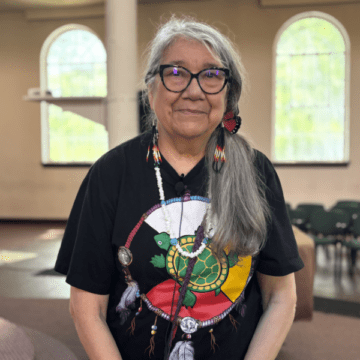
For generations, community leaders have argued that water is not merely a resource to be consumed but a living being that must be protected, said the church’s Elder-in-residence, Catherine Brooks, a member of the Nipissing First Nation.
“What we’re doing today is we’re bringing up the whole thought about water, how much we need it and how threatened it is,” she told participants. “They don’t think of the consequences of what they’re doing, and so by doing this, we are bringing it to their attention and explaining that water is a living being.”
That understanding has slowly begun to influence public policy. In 2022, the Magpie River in Quebec became the first river in Canada to be granted legal personhood.
“[That river] is the same as you and me, and in some ways more important than I am, because it feeds all the animals, all the fish, all the people, and will for the next generations, time immemorial, and without that, we can’t live,” Brooks added.
More on Broadview:
- Rice Lake granted legal rights under First Nation law
- Indigenous Ecuadorians want Canadian mining companies off their land
- How one Cree grandmother is reshaping the future of law in Canada
In 2024, 159,000 tonnes of pollutants were released into Canadian waters, a 25 percent increase since 2015. At the same time, researchers have also detected rising levels of per- and polyfluoroalkyl substances (often referred to as PFAS or forever chemicals) in the Great Lakes, adding to concerns about contamination entering drinking water supplies and causing adverse health effects.
Last fall, researchers at the University of Toronto also found that the Don River carries more than 500 billion microplastic particles into Lake Ontario each year.
“You have to think where the water will move. It’s not just here,” said Robin Buyers, lead event organizer and a member of the Indigenous Peoples Solidarity Group. “It’s upstream, it’s downstream.”
She pointed to the case of Grassy Narrows First Nation, where roughly 9,000 kilograms of toxic mercury waste were discharged into the Wabigoon River between 1962 and 1975, polluting waterways and contaminating fish with mercury.
More than 50 years and three generations later, mercury contamination remains in local fish. In 2024, high levels of methylmercury, an even more toxic chemical compound, were also detected. Today, approximately 90 percent of the residents in Grassy Narrows experience symptoms of mercury poisoning.
Many First Nations communities look at Grassy Narrows and say, “This is why we must be consulted,” added Buyers. “We’ve seen what happens when things go wrong.”
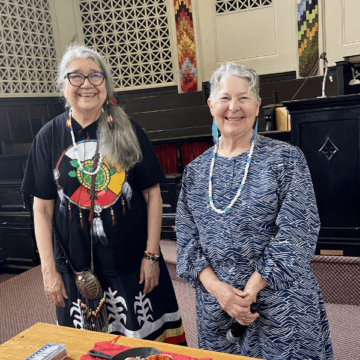
These concerns continue to shape debates about resource extraction and conservation across northern Ontario, particularly in the Ring of Fire region, a mineral-rich area in the James Bay lowlands where governments are advancing plans for road construction and mining development.
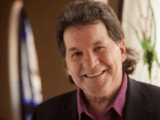
Lawrence Martin, a Canadian musician, politician, Juno award winner and member of the Moose Cree First Nation, said his community is increasingly worried about resource expansion into areas that have remained largely untouched.
“Where I come from, [water] is still considered pristine,” he said. “But there are maps showing mining claims that are now moving into the area, and we’re very concerned about that.”
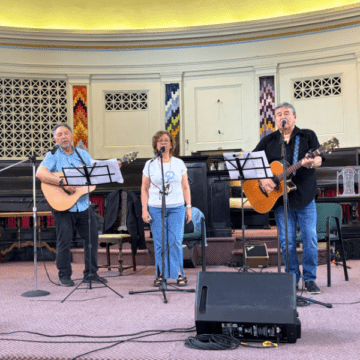
He referenced a Cree teaching called “Wahkohtowin,” which describes a human’s kinship to all life and the belief that everything is interconnected.
“It’s so important that everybody understands and respects these components of life — these things that have been created for you to be able to sustain life. So you don’t want anybody to tamper with it out of ignorance,” said Martin. “Our people are taught that at a very young age.”
***
Charlotte MacDonald is an intern at Broadview.
Thanks for reading
Independent journalism rooted
in faith and justice is under threat
Broadview is the only media organization in Canada offering thoughtful, values-driven journalism from an inclusive, progressive Christian perspective. But our work depends on your support. If you value what you've just read, please act now.
A gift today helps keep this journalism alive tomorrow.
With gratitude,