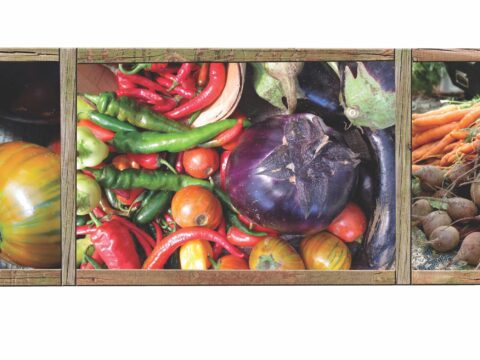
Local food movement raises questions about access, equity, snobbery by Larry Krotz For reasons that seem to defy logic, eating locally is also almost always more expensive and so is tough for people living
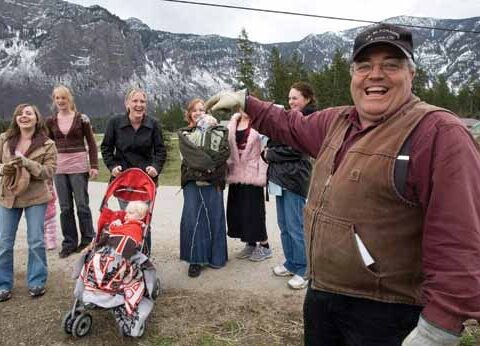
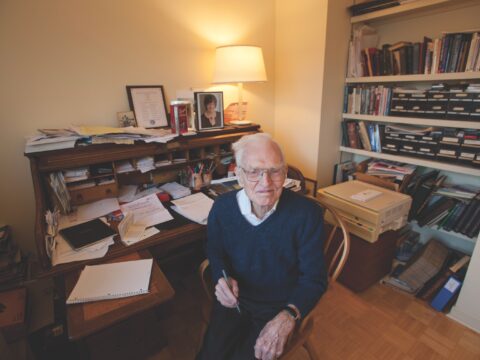
Being 95 doesn’t stop activist Don Ewing from saying his piece by Karen Stiller United Church member from Guelph just keeps writing pithy letters to the editor
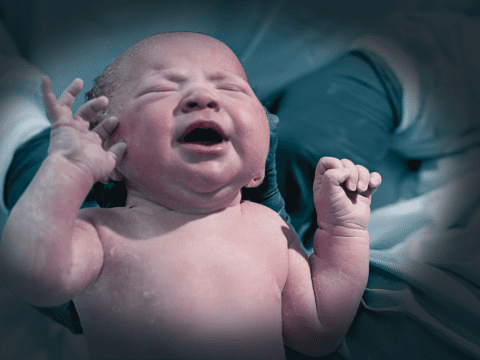
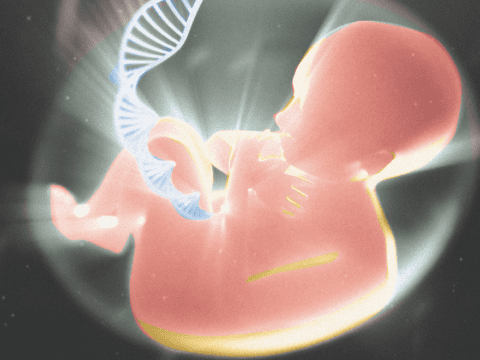
Technology is giving pregnant women more choice — but no moral map by Pieta Woolley Is reproductive technology advancing faster than our ability to grasp the ethics of it?
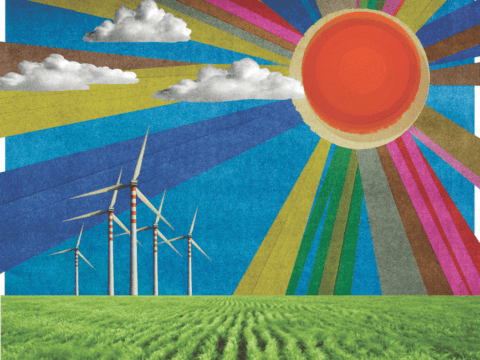
Climate numbers are dreadful, but if you dig deep, there’s hope too by Alanna Mitchell A few points of light in the carbon darkness: renewables, financial scrutiny, lawsuits, public action
Church needs to be a welcoming place for those with disabilities by Chelsea Temple Jones To be genuinely open, congregations need to treat people with intellectual disabilities as more than guests
Rich one-percenters make our society unstable, says Linda McQuaig by Mike Milne Extreme wealth held by the very few is a hallmark of societies that are vulnerable to financial collapse, says the Toronto-based author
Water exports from Canada to the U. S. are feared but unlikely by Cory Ruf We hear a lot about possible bulk exports of water, but those running the water authorities in the drought-stricken Southwest aren't counting
Technology makes human interactions more common but more shallow by Kevin Spurgaitis Academics, authors try to understand what means for society now that so many people are tethered to their electronic devices for so
The shaky ethics of selling DNA by Lisa Van de Ven With 20 percent of genes currently under patent, critics are turning to the courts to put the brakes on the biotech industry
Biotechnology companies own patents on a fifth of human genes, so, lawsuits by Lisa Van de Ven Critics are turning to the courts to challenge commercial rights on human DNA
She was researching Mary Magdalene. Then Elizabeth Schrader-Polczer found something no one had noticed.