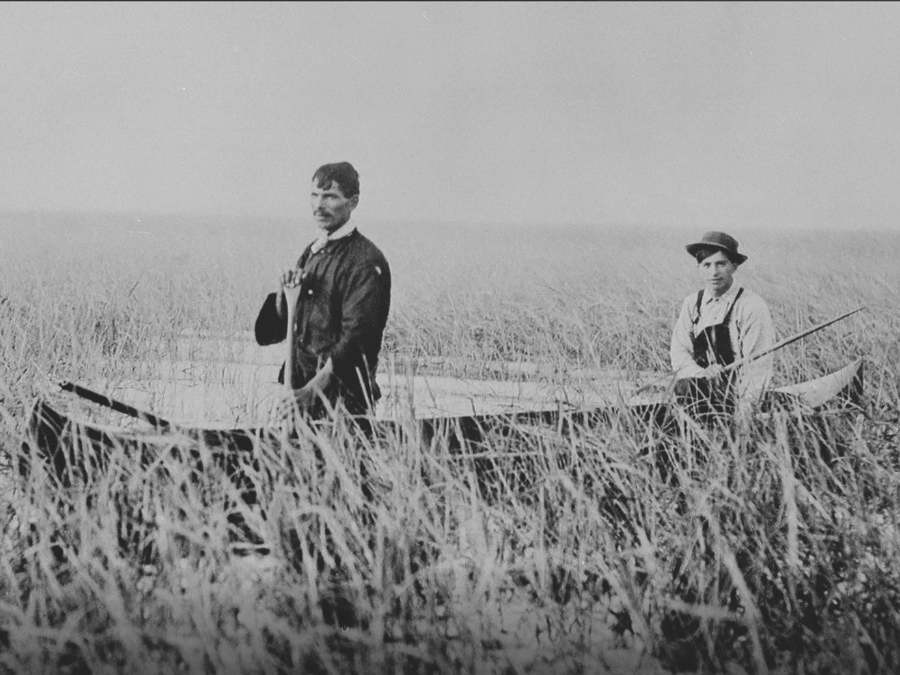
For Indigenous Peoples, the rights of nature have long been a foundational principle, going back to time immemorial. In recent years, that way of thinking has started to be reflected in law — both at home and internationally.
Five years ago, the Muteshekau-shipu (Magpie River) in Quebec became the first natural body to achieve legal personhood status in Canada. At the recent United Nations Climate Change Conference in Belem, Brazil, I announced that Ontario’s Pemadeshkodeyong (Rice Lake) had become the second, after Alderville First Nation granted it legal personhood status in November 2025.
You may unsubscribe from any of our newsletters at any time.
These initiatives are reconciliation in action, helping bridge the gap between two ways of understanding the natural world. First Nations governance requires us to plan for the next seven generations, ensuring that the environment can continue to sustain life well into the future.
Rice Lake is both a responsibility and an opportunity. When healthy, it provides everything humans need to survive. But our lake has been in a state of decline for decades, and we are approaching a point of no return. Oxygen levels are dropping and aggressive invasive species — including carp, pike and Eurasian watermilfoil — are displacing the long-established native species. Pollution and agricultural run-off have only exasperated these problems. There is, however, still time to restore its natural balance — and legal personhood gives us a template to do just that.
The idea of granting personhood to a natural body isn’t new. The western legal system already recognizes non-human entities, like corporations, as legal persons with rights and responsibilities. The challenge is turning that recognition into meaningful protection.
More on Broadview:
- Forged Morrisseaus are hurting today’s Indigenous artists
- Indigenous Ecuadorians want Canadian mining companies off their land
- Mark Carney’s antisemitism announcement sparks mixed reactions from Jewish Canadians
Recent attempts show how hard that can be. Last October, the Alberta Energy Regulator declined to recognize the Athabasca River’s legal personhood in a case tied to an oilsands mining project. The request, brought forward by Ecojustice, the Alberta Wilderness Association and Keepers of the Water, didn’t fall under Indigenous governance — which I believe contributed to its failure.
Rice Lake, on the other hand, was granted legal personhood through Alderville First Nation’s Chi-Naaknigewin — our supreme law and constitution — reflecting our inherent right to govern ourselves on the territory gifted to us by the Creator.
For legal personhood to work, it needs a fully integrated legal and governance framework. The Quebec-based non-profit International Observatory for the Rights of Nature defines this in three steps: pass an initial law, establish a Guardians Council to act for the natural entity and adopt that law across all levels of government.
These steps guided the recognition of the Magpie’s personhood. But unlike Rice Lake, it’s already considered healthy and doesn’t need ongoing intervention. As a result, a full Guardians Council has not yet been formed.
Rice Lake is now working to establish the first Guardians Council of its kind in Canada. We feel this could be the model for protecting natural bodies across Turtle Island. Anyone who depends on the lake or cares about its future will have a voice in protecting it.
Alderville First Nation has also been in talks with Trent University in Peterborough, Ont., to partner on lake data collection. The research will identify pollutants, track invasive species and determine which indigenous species need protecting, helping ensure Rice Lake can sustain life for generations to come.
***
Taynar Simpson is the chief of Alderville First Nation.
This article first appeared in the July/August 2026 issue of Broadview with the title “Nature’s day in court.”
Thanks for reading
Independent journalism rooted
in faith and justice is under threat
Broadview is the only media organization in Canada offering thoughtful, values-driven journalism from an inclusive, progressive Christian perspective. But our work depends on your support. If you value what you've just read, please act now.
A gift today helps keep this journalism alive tomorrow.
With gratitude,