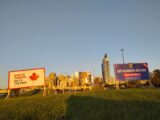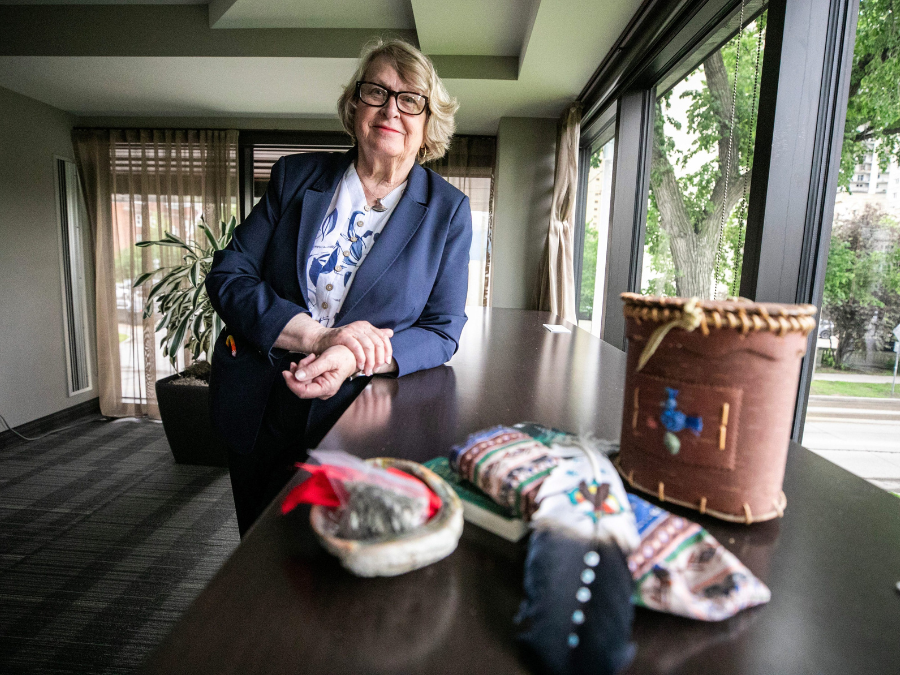
About 100 kilometres north of Winnipeg, on the eastern shores of Lake Winnipeg, a village is being built where Indigenous girls, women and two-spirit people will be able to heal from the trauma of sexual exploitation within a supportive community guided by Indigenous matriarchs.
“Our philosophy is that you have to have long-term healing to deal with all the intergenerational trauma that got you to that point,” said Jamie Goulet, executive director of the Clan Mothers Healing Village and Knowledge Centre. “Our programming is quite different than any other model.”
You may unsubscribe from any of our newsletters at any time.
That model is based on traditional knowledge and designed by Indigenous women who’ve been working with exploited Indigenous women, girls and two-spirit people for decades.
The workers constructing the village, which is expected to be finished in the fall, are women enrolled in the program and employed by a construction company the Healing Village operates as a social enterprise.
This unique project is one of 12 to receive funding from the Archdiocese of Winnipeg’s Indigenous Reconciliation Fund. In 2021, the Roman Catholic bishops of Canada committed to raising $30 million for healing and reconciliation with Indigenous people. The following year they created the Indigenous Reconciliation Fund, an arms-length charity. To date, more than $25 million has been raised by Catholic dioceses across Canada.
The Archdiocese of Winnipeg committed to raising $660,000. It surpassed its fundraising goal and, in 2023, set up a committee consisting of both Indigenous and non-Indigenous members to review applications and recommend projects to receive the funding.
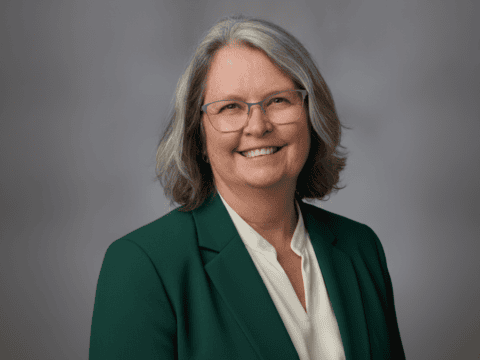
Marcelle Marion, a Red River Métis lawyer with a family legacy of residential school education and professional experience in modern and historic treaties, was hired to co-ordinate the work.
Marion helped identify projects that would be a good fit and met with organizations to help develop their applications. To qualify, a project had to be run by an Indigenous-led non-profit that had been active for at least two years.
Marion says it was a joy to work with organizations doing work of deep healing and reconciliation. Several projects stand out for her.
More on Broadview:
- Indigenous groups urge Canadians to rethink their relationship with water
- Rice Lake granted legal rights under First Nation law
- What Broadview’s predecessor chose not to see about the Edmonton Residential School
Among them is a conference organized by Hollow Water First Nation exploring cultural models for restorative justice with victims, offenders and their families.
Another project is the restoration of a 79-year-old stone grotto with a statue of St. Bernadette kneeling before the Virgin Mary, a sacred site for the Métis-Catholic community of St. Laurent.
Another organization that received funding is Returning to Spirit, a non-profit that holds healing and reconciliation workshops across the country.
Reconciliation isn’t just about Indigenous people healing their own trauma, executive director Lisa Raven said. “If we’re just learning all the bad and horrible and awful things that happened in our history… then we’re taking on all of the emotional baggage,” she said.
Returning to Spirit brings together both Indigenous and non-Indigenous people to talk about their feelings, hear each other’s stories, understand their own behaviours and perceptions and, ultimately, find healing together.
“Reconciliation is relationship,” Marion said. She believes the funds have helped push relationships between Indigenous and non-Indigenous people in a good direction.
Her only regret is that there weren’t more funds available to promote the preservation and teaching of Indigenous languages.
“We’re hearing from Indigenous communities that they’re losing their language, and I would love to (fund) more projects to protect languages” she said.
Other projects supported by the fund include a program exploring the impact of residential schools at Sandy Bay First Nation; workshops to educate youth organized by the Tootinaowaziibeeng First Nation elders circle; a four-day healing vigil organized by the Sandy Bay Ojibway First Nation elder council; facilitated dialogues held by Circle For Reconciliation, Inc.; a new ceremonial arbour for Rolling River First Nation; and the construction of a learning lodge at the National Centre for Truth and Reconciliation.
***
Josiah Neufeld is a writer in Winnipeg and the author of “The Temple at the End of the Universe.”
This story was produced in conjunction with Winnipeg Free Press, as part of a joint Religion in the News partnership covering issues of faith in Manitoba and nationally.
Thanks for reading
Independent journalism rooted
in faith and justice is under threat
Broadview is the only media organization in Canada offering thoughtful, values-driven journalism from an inclusive, progressive Christian perspective. But our work depends on your support. If you value what you've just read, please act now.
A gift today helps keep this journalism alive tomorrow.
With gratitude,