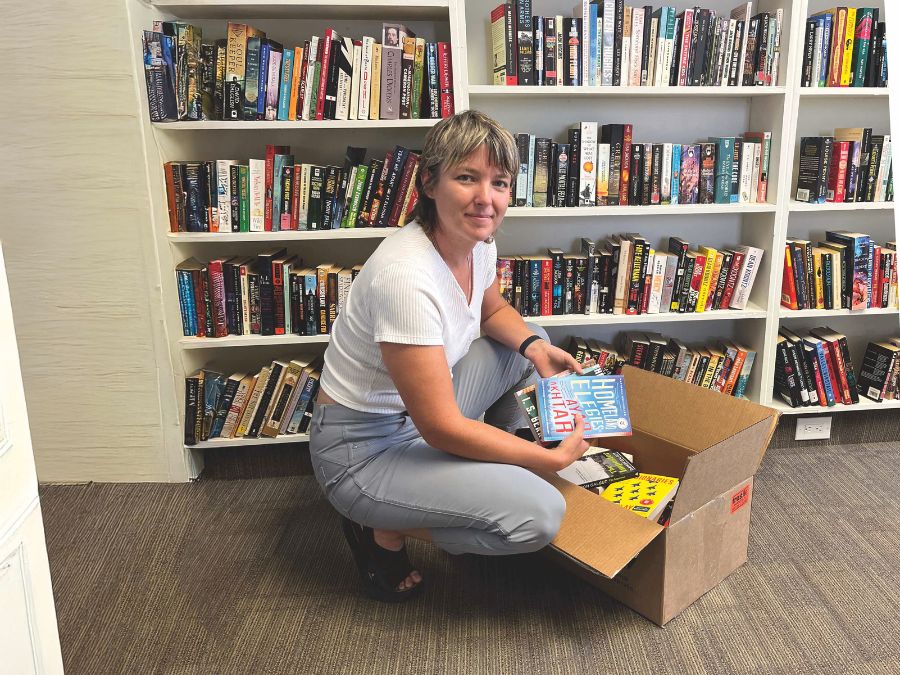
Anna Sigrithur is the literacy co-ordinator at the John Howard Society of Manitoba, an organization that supports those in conflict with the law before, during and after incarceration. One of its initiatives, “Get the Story Out,” allows incarcerated parents to record themselves reading books for their children. These recordings, along with the books, are then sent to their families as a way to keep connected.
Relationship Incarcerated parents often feel isolated, even discarded, when they’re not able to have contact with their families or their kids. For those on the outside, visitation can be challenging — especially for families with multiple young kids or limited ability to travel. There are many barriers.
You may unsubscribe from any of our newsletters at any time.
Community The books, which are available in three Manitoba jails — the Winnipeg Remand Centre, Headingley Correctional Centre and Milner Ridge Correctional Centre — come from a partnership with a local independent bookstore. It runs fundraisers so the program can provide new copies by authors whose stories reflect the diverse lived experiences of the children receiving them. After parents make their recording, a wonderful volunteer, who is a world-class composer and musician, tidies up the audio and scores the video. She writes the children’s names on the CD case, gift wraps everything, adds stickers and makes the package look cute before it’s mailed out. Families can also request the digital file.
More on Broadview:
- This Minneapolis church is providing frontline help amid ICE operations
- Colour the Trails helps racialized Canadians enjoy the outdoors
- Canadian Peace Museum takes root in rural Ontario
Listening The program supports family literacy and encourages kids to associate reading with their loved one, but it’s also so much more than that. It’s a bright spot amid a devastating rupture in the family. Children can hear the voice of their incarcerated loved one — whether on a phone, a CD player, in the car or before bed — which offers comfort. In some ways, it’s like spending time with their mom or dad.
Reform On a systemic level, jails need to expand access to video visits to help maintain those important family connections. Currently, video visits are only available to people whose loved ones are incarcerated out of province. Yet the infrastructure established during COVID-19 makes video calls possible for any incarcerated person. Why not extend the access to those whose families live in the same province but who struggle to see them?
***
This interview has been edited for length and clarity. It first appeared in Broadview’s March/April 2026 issue with the title “Anna Sigrithur.“
Thanks for reading
Independent journalism rooted
in faith and justice is under threat
Broadview is the only media organization in Canada offering thoughtful, values-driven journalism from an inclusive, progressive Christian perspective. But our work depends on your support. If you value what you've just read, please act now.
A gift today helps keep this journalism alive tomorrow.
With gratitude,