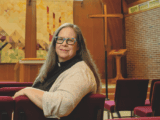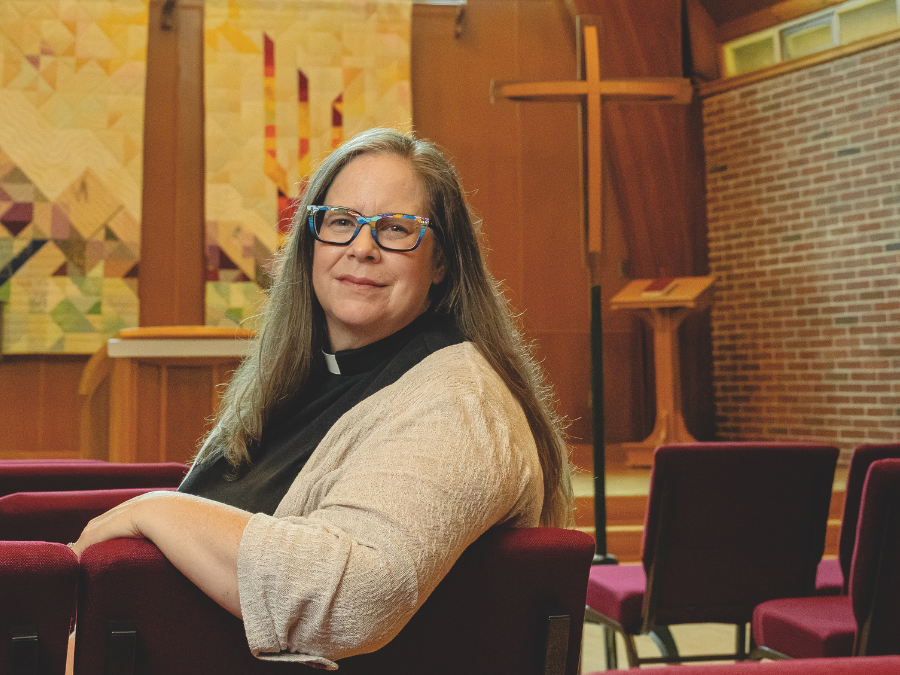
“The way we have church today, if you look at Jesus’ time, they didn’t really have any of these things,” notes Atlantic School of Theology president Rev. Heather McCance. The Apostle Paul simply trained locals to do what was needed to lead communities. As membership numbers decline, McCance sees churches reverting to that apostolic way of being and becoming more decentralized and ecumenical. “The people who are still involved in churches really do want to be there,” she says — and that can be a huge strength.
More on Broadview:
You may unsubscribe from any of our newsletters at any time.
- How congregants from a small-town church gave it an ‘extended life’
- Church founded by son of disgraced televangelists is small, humble
- What if small is enough?
Here are McCance’s 10 steps to fill the leadership gap:
1. Reframe your mindset. Think of your church as apostolic and ask how it can respond to today’s needs, rather than the traditional way of doing things.
2. Lean into shared leadership. Find each person’s gifts and ensure nobody carries the responsibilities of the church alone. “Share in the tasks of ministry, so everybody is cared for,” she says.
3. Equip your team to succeed. “Churches are really good at asking people to do things but not giving them the training to do it,” McCance says. Find relevant resources and leadership programs.
4. Create ongoing spiritual study. Spiritual development for the whole congregation bonds and strengthens the community “because they’re renewing themselves together,” McCance says.
5. Be pragmatic. Adapting to changing circumstances is necessary for survival, so embrace new ideas and approaches, even if it’s uncomfortable. “God is excited for what we are able to do now,” she says.
6. Target your energies. “Understand that being realistic is not failing,” McCance says. It’s okay to do less. Successful churches know when to scale back offerings and programs according to the capacity of their members.
7. Find local partnerships. “Start with, ‘What do we have, and what do you have?’” she says. “That can mean sharing buildings, resources or leadership.”
8. Create a plan for turnover. When one person needs a break, another can step in. “God doesn’t call us to burn ourselves out,” McCance notes.
9. Plan for succession. A lack of succession planning means that “it lasts for five or 10 years and then it falls apart,” McCance says. She urges congregations to continually cultivate leadership.
10. Don’t try to do it alone. Support is available, whether it’s from your regional council, ecumenical organizations or the broader community.
McCance remains hopeful: “Small churches will always find a way to be faithful to who God is calling them to be.”
***
Ashely L. Crouch is a freelance writer and editor based in Montreal.
This article first appeared in the September/October issue of Broadview with the title “Sharing the load.”
Thanks for reading
Independent journalism rooted
in faith and justice is under threat
Broadview is the only media organization in Canada offering thoughtful, values-driven journalism from an inclusive, progressive Christian perspective. But our work depends on your support. If you value what you've just read, please act now.
A gift today helps keep this journalism alive tomorrow.
With gratitude,