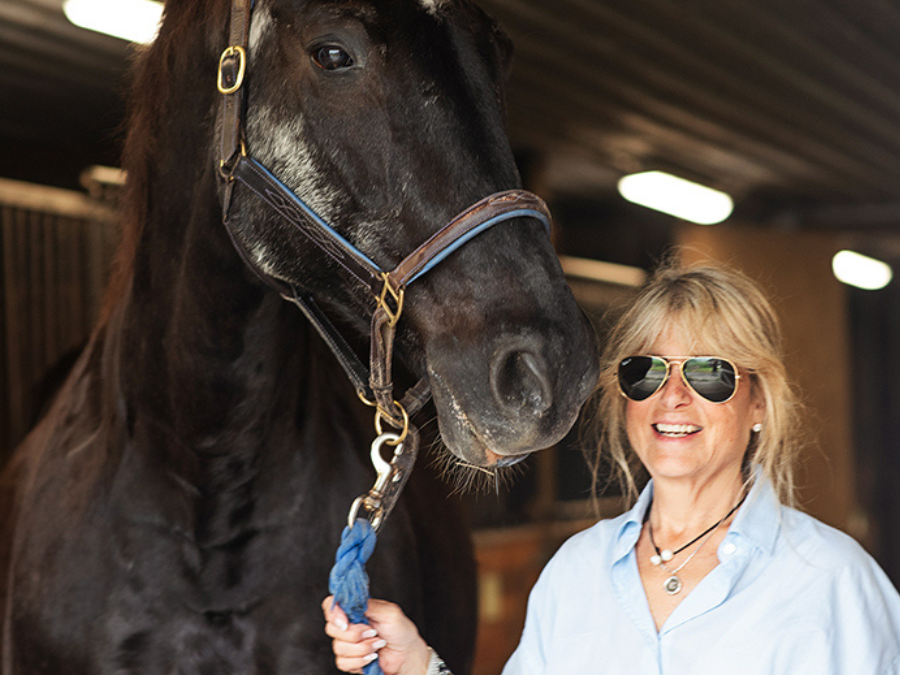
Ellen Downey is the director and founder of the TUFF Therapeutic Riding Program, a charity outside Alliston, Ont., where horses help at-risk youth — including 2SLGBTQ+ teens and those who use substances or have been trafficked — address their mental health needs. The aim is to help them reclaim their lives with the support of these 1,800-pound therapists.
NEED Before I began the TUFF program, the only mounted equine-assisted therapies in Canada were for disabled and neurodivergent populations. At-risk youth often struggle with trust, which can make relationships tricky. Most of them put on a tough exterior: they dislike talking to adults and are resistant to traditional forms of therapy. But horses — incredibly giving animals — can reach them in ways people often can’t.
You may unsubscribe from any of our newsletters at any time.
ORIGINS I’ve always had a love for horses. Throughout my life, they’ve given me support and comfort and made me feel like a superstar. In 1990, I was running a day treatment school for kids with mental health issues in Calgary. One day, the principal suggested taking all 45 kids out to the foothills to ride horses. I was skeptical at first, but amazed when I watched them become calm and focused. That’s when I decided to design a 10-week program specifically for at-risk youth. Now, I also offer a five-day intensive course. Many of our horses are retired from the RCMP musical rides.
More on Broadview:
- Animal chaplaincy has become a growing profession
- Traditional therapy may not be the answer for men with depression
- These Indigenous groups are helping youth aging out of foster care
METHOD Many participants arrive feeling defeated; they’re quick to give up or lash out when stressed. The program gives riders their first unconditional, non-transactional relationship. Horses seek positive outcomes, showing affection by nuzzling and quietly listening. In return, the teens brush their horses and confide in them. Each rider and horse are also matched with a dedicated volunteer, who forms their own bond with the pair. You have to be mindful to direct a horse, and this attention can help divert the rider’s focus from any worries. Through these interactions, youth feel anchored and better able to manage their feelings. Riding also helps them develop emotional regulation. When they’re on the back of a horse and the animal doesn’t want to go somewhere, they can’t have a meltdown, so they look for a solution instead of running or getting mad.
IMPACT We’ve helped at least 1,000 youth through the program. Several of my graduates have also gone on to become volunteers at TUFF or have chosen careers in the veterinary sciences. We’ve had parents tell us, “You saved my kid.” For me, personally, I also love spending time with the youth. They’re smart, funny and so honest. Sharing my wonderful horses with them has been magic.
***
Vivien Fellegi is a health writer and former physician in Toronto.
This story first appeared in Broadview’s July/August 2026 issue.
Thanks for reading
Independent journalism rooted
in faith and justice is under threat
Broadview is the only media organization in Canada offering thoughtful, values-driven journalism from an inclusive, progressive Christian perspective. But our work depends on your support. If you value what you've just read, please act now.
A gift today helps keep this journalism alive tomorrow.
With gratitude,