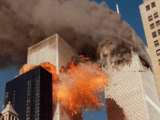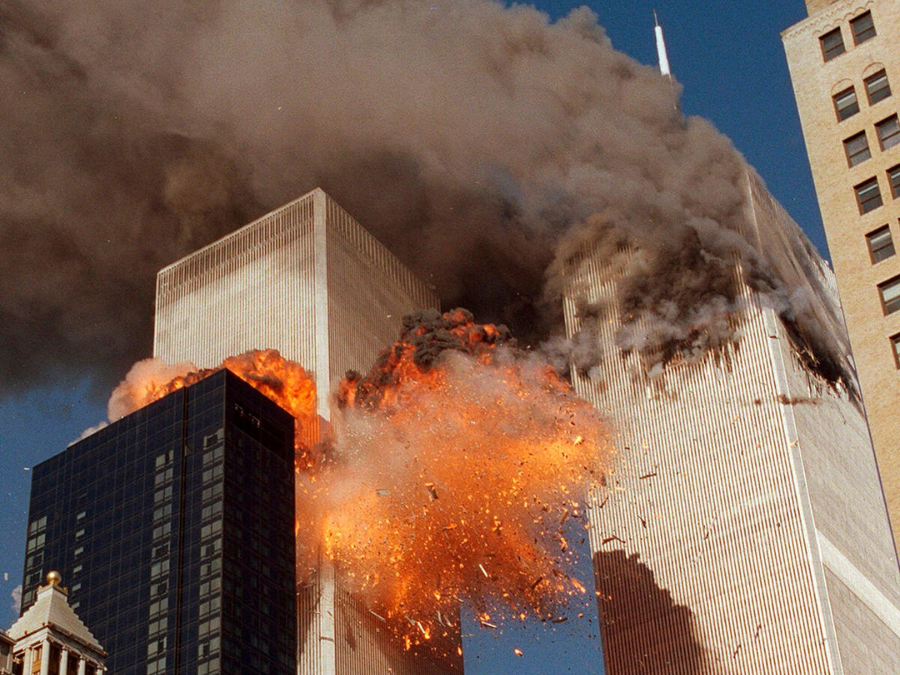
Memories of the tragic events of Sept. 11, 2001, are still deeply etched in my mind. I had just moved to Denver from the University of Miami to teach my first class, titled Introduction to Islam, on that day.
When I turned on the television, I saw scenes of devastation in New York City. I felt the pain and sorrow of my fellow human beings. At work, I suddenly became a much sought-after figure as my colleagues, friends and students tried to make sense of what had just happened.
You may unsubscribe from any of our newsletters at any time.
As a Muslim, I felt my religion had been hijacked and abused by those who claimed to be working on God’s behalf. What kind of God would condone the taking of innocent lives? Did God put humans on Earth to destroy one another in God’s name? Or did God want them to create a society based on justice and equality?
I searched the Qur’an to see what it had to say about the events of 9/11. I felt greatly comforted by the response I found in my scripture. The verse that kept coming to my mind was in Chapter Al-Ma’idah (The Table Spread): “One who kills an innocent soul has killed the whole of humanity, one who saves an innocent soul has saved the whole of humanity” (5:32). The message of the Qur’an was unequivocally contrary to the acts of those who perpetrated such terrible acts.
More on Broadview:
- 9/11 attacks a decade ago force us to assess visions of peace today
- Kamal Al-Solaylee on being brown in a post 9/11 world
- These Canadian Muslims are tackling Islamophobia with kindness
The Qur’an also taught me that ultimately, only one identity unites us all — our shared humanity. Addressing all of us, it says: “O human beings, we have created you from one male and female and made you into different tribes and nations so that you may know each other. Indeed, the most honourable of you in the eyes of God is the one who is most morally upright” (49:13). In other words, the identities that divide and differentiate us are humanly constructed.
As I reflected on the question of God’s presence on 9/11, I came to recognize that God was present everywhere in the ruins — reminding human beings of the destructive forces latent within themselves, forces to which they can succumb while remaining in the grip of the self-deception that they are acting in the name of a merciful God.
I was comforted to see the acts of kindness and generosity of non-Muslims who realized that neither Islam nor Muslims were responsible for such barbaric acts. Some of them even protected mosques and Muslims from attacks. I became aware of the human connectedness that emerged during those difficult days. I perceived the divine presence in the bonds and relationships that began to form in the aftermath of the tragedy. I also came to recognize that it sometimes takes an event of such devastating proportions to awaken us to our true human potential — to move us to reach out to others, to offer comfort and to allow our shared humanity to govern our conduct. This led me to ask: Had we grown so indifferent to one another that God found it necessary to remind us, through this tragedy, that life only acquires meaning when we love and care for those around us?
As we remember 9/11 this week, we need to ask ourselves morally difficult questions about how we behave with others. After all, although the terrorists had forsaken their intrinsic God-given human values to resort to such horrendous acts, we as conscientious human beings should not commit similar vile acts while claiming to uphold the rights of others, regardless of their faith, culture or religion.
I always say that an eternal God speaks eternally. God speaks to us in different ways, through messengers, nature, scripture and our inner voice. We hear and see them, but do we pay heed? There is always a danger that in the name of religion, fanatics will insist that God can be found only in what they believe or do. No morally conscious Muslim can afford to lay claims to exclusive truth while engendering hatred and demonization of other humans.
We do not need to share a religion to get along. Rather, we need to affirm and act upon our divinely bestowed moral values to create a just society.
***
Professor Liyakat Takim is the Sharjah Chair in Global Islam at McMaster University in Hamilton.
Thanks for reading
Independent journalism rooted
in faith and justice is under threat
Broadview is the only media organization in Canada offering thoughtful, values-driven journalism from an inclusive, progressive Christian perspective. But our work depends on your support. If you value what you've just read, please act now.
A gift today helps keep this journalism alive tomorrow.
With gratitude,