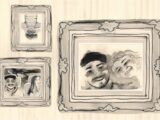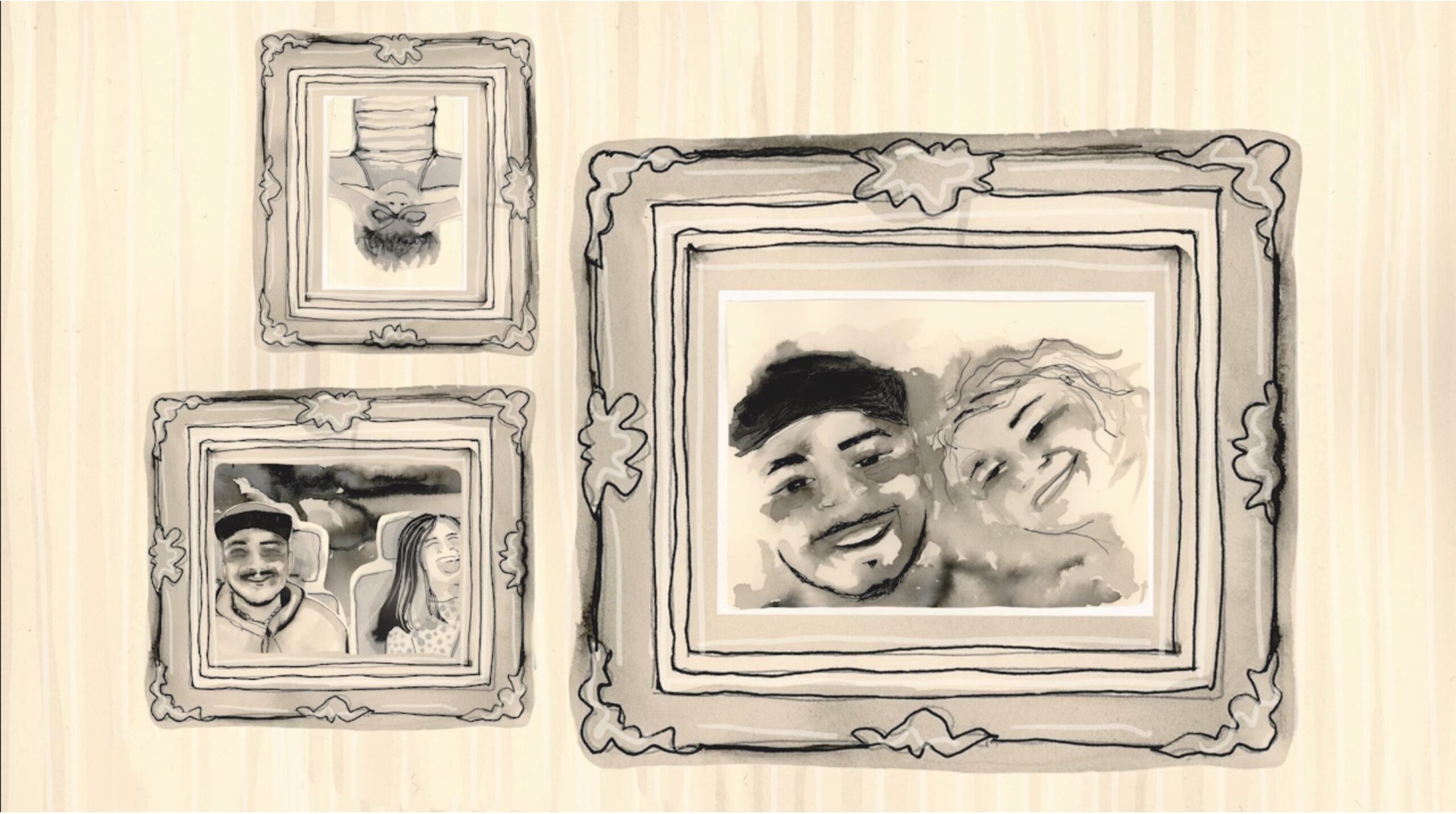
Mary Fairhurst Breen’s daughter Sophie loved the theatre. “Our happy place was in a car on overnight theatre excursions,” Breen narrates over a stop-motion animated short film.
The film is part of We Were Here, a documentary project Breen created to centre the lives of young people killed by fentanyl. Sophie died of an overdose in 2020 at age 27.
You may unsubscribe from any of our newsletters at any time.
Combining oral history with animation and music, the series features 10 short films about Ontarians under 30 who were poisoned by fentanyl between 2019 and 2023. Breen narrates the films and offers an intimate portrait of who each person was to their loved ones. She says she wanted to focus “on the lives they lived. Even if they were very brief, some as brief as 16 years, rather than just focusing on the cause of death.”
Before Sophie died, Breen had been working on a memoir, consulting both of her daughters throughout the process. After losing Sophie, Breen continued writing, releasing her memoir Any Kind of Luck at All in 2021. She contributed radio essays to CBC and a piece for Briarpatch about Sophie that described her death as both sudden and the result of a long illness (she was diagnosed with anxiety, depression and PTSD in 2013). Breen also co-wrote a Globe and Mail essay with her eldest daughter Emma, examining their decision to oppose a jail sentence for the man who sold Sophie fentanyl.
As her work circulated, Breen found herself returning to the impact of oral history. At the same time, she was volunteering as a peer-support facilitator for families who had lost loved ones to drug-related deaths. There, she noticed a recurring need. “Parents can’t tell their kids’ stories enough,” she says. “People already don’t know how to talk about death, and if your kid died of an overdose, people get very weird.”
Supported by an Ontario Arts Council grant, Breen began interviewing mothers across Ontario, initially intending only to write short profiles for families to keep and share. “If that’s all I did, that would be a perfectly good project,” says Breen. However, she decided to take the project further.
As she wrote, the stories began to feel visual. During a writing retreat in summer 2024, Breen spoke to multidisciplinary artist Jessica Hiemstra, who had previously expressed interest in collaborating on work about the opioid crisis. The original plan was to do one illustration per story, but after listening to Breen narrate Sophie’s life, Hiemstra returned with a fully realized stop-motion animated film composed of dozens of hand-drawn images.
More on Broadview:
- Canada’s children are breathing the climate crisis
- Manitoba program helps incarcerated parents read to their kids
- Iraq’s child brides
“Animation is a bit of a sneak attack,” Breen says. “It’s charming and welcoming, and then it hits harder when you realize you’re watching a film about someone who’s died.”
Hiemstra went on to animate all 10 stories, working from photographs, transcripts and audio recordings. Video editor Lucy Silversides and musician Eve Goldberg soon joined the project, with Goldberg contributing an original song.
Breen submitted the films to a small number of festivals. We Were Here was accepted to T.O. Webfest in 2025, where Silversides was nominated for best editing and Goldberg for best original score. Breen received the festival’s Legacy Light Award, which recognizes creators who transform personal experience into meaningful work. At the Voices Rising film festival in New York City last November, Sophie’s short film won best documentary.
Breen also organized a private screening for the families involved. The mothers she’d interviewed for the series had never met in person. Since then, they have stayed in touch, organizing local screenings and sharing the films on birthdays, anniversaries and overdose awareness days.
“Sophie Was Here,” about the life of Mary Fairhurst Breen’s daughter who died from a fentanyl overdose
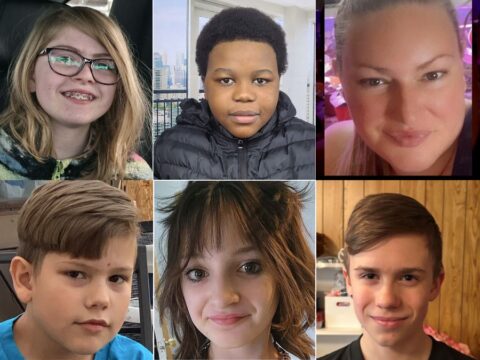
For Breen, the public recognition is less about the awards and more about what the films make visible. More than 50,000 people have died from opioid toxicity in Canada since 2016. Among young adults, it’s one of the leading causes of accidental death. Breen compares the scale of loss to a generational rupture not seen since the Second World War. “It’s a massive hole in one generation,” she says. “And we’re going to feel the ripple effects of that loss for a long time.”
Breen points out that not one story in the series is the same, evidence of the indiscriminate nature of the opioid crisis. “This could be their kid or their neighbour’s kid or anybody’s kid. It isn’t affecting just one demographic.”
The next phase of We Were Here widens the lens further. Supported by a Canada Council grant, Breen has begun collecting stories from families across the country, as well as from people who lost loved ones during the AIDS crisis — a parallel she sees as unavoidable. “The stigma, the lack of government response, the fact that there are certain segments of the population that people perceive to be expendable,” she explains.
The We Were Here project is available to watch on YouTube, where Breen hopes the films will take on a life of their own as they circulate. “It makes me feel like people are saying, ‘Your kids were important,’” she says. “They deserved to live longer. They should still be here.”
***
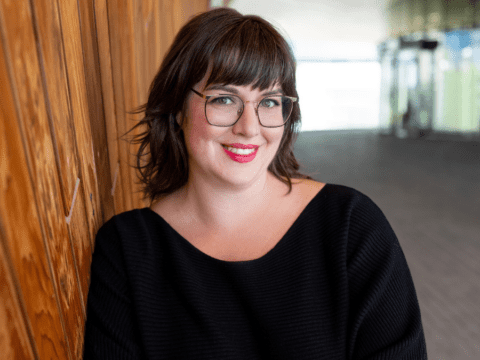
Paniz Vedavarz is a journalist in Toronto.
Thanks for reading
Independent journalism rooted
in faith and justice is under threat
Broadview is the only media organization in Canada offering thoughtful, values-driven journalism from an inclusive, progressive Christian perspective. But our work depends on your support. If you value what you've just read, please act now.
A gift today helps keep this journalism alive tomorrow.
With gratitude,