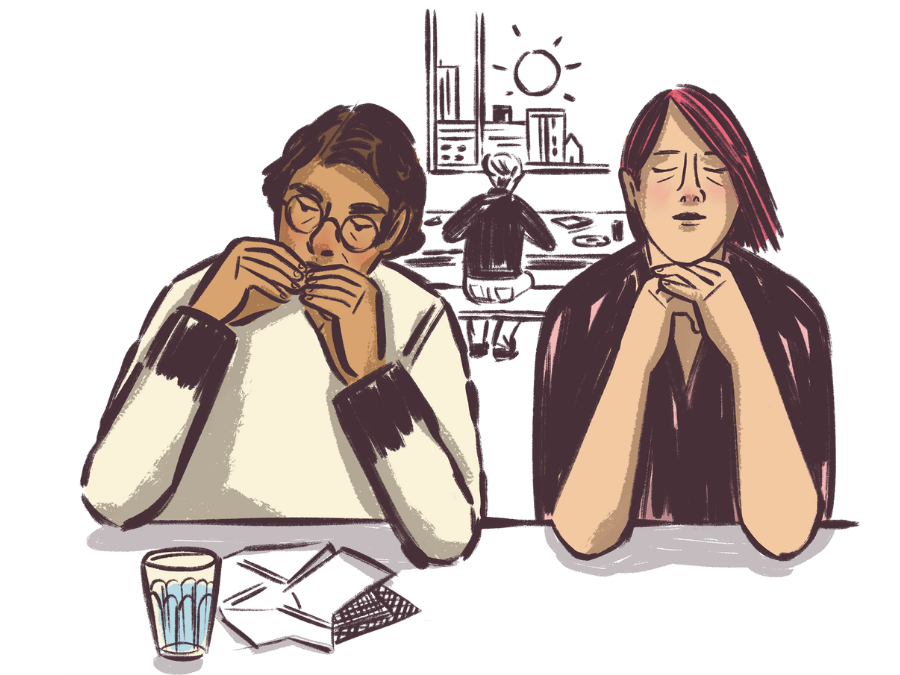
I was born and raised in Senegal, where 90 percent of the population is Muslim. With Islam shaping much of daily life and Ramadan’s fast standing as one of its five pillars, abstaining from all food and drink from sunrise to sunset is a practice familiar to many Senegalese Christians during Lent.
Throughout my life, I have embraced this tradition from Ash Wednesday to Easter morning, including Sundays.
You may unsubscribe from any of our newsletters at any time.
Each year, I wait for Lent the way a lover anticipates a date. I was diagnosed with type 2 diabetes 30 years ago and know that fasting is taxing on my body, so I prepare carefully, undergoing tests and consulting with my doctor to make sure it’s safe. I’ve been fortunate to receive the green light all these years, but I know that one day this will change.
For me, Lent is a journey of self-emptying — a time of physical and emotional challenges, meditation and transformation. This vulnerability turns fasting into an act of solidarity with those who endure inhumane conditions, wondering whether they are the children of a powerless or indifferent god. It takes suffering and pain to experience joy, despair to relish hope and loneliness to understand presence.
Such a journey also requires mental readiness. I view my thirst and hunger as an offering, rather than a deprivation. Each evening, I break my fast with some hot mint tea and dates, followed by a light snack before the dinner. In the mornings, I wake up one hour before sunrise for a strong cup of coffee, whole cereals and one litre of water.
When I finally greet the dawn on Easter morning, I am physically and emotionally drained, yet grateful — like the marathoner crossing the finish line. These moments make the light of the resurrection so essential. Its glory lies not in glamorous acts of power, but in its stubborn refusal to accept despair, and in its gracious strength that makes hope believable.
More on Broadview:
How to …
- Download the sunrise and sunset times for your location from Ash Wednesday to Easter.
- Staying hydrated is more important than eating, so drink plenty of water at night and before sunrise.
- If possible, give what you would have spent on food to a worthy cause.
- Listen to your body and pace yourself. As the season progresses, you may slow down and feel less hungry. Staying calm and relaxed helps save energy, especially toward the end of the day.
- If fasting every day throughout Lent is too difficult, choose fewer days to fast fully, rather than fasting partially on more days.
- On Easter, celebrate by feasting with loved ones.
***
Rev. Samuel Vauvert Dansokho is the minister at Plymouth-Trinity United in Sherbrooke, Que.
This story first appeared in Broadview’s March/April 2026 issue with the title “Fasting Toward Resurrection.”
Thanks for reading
Independent journalism rooted
in faith and justice is under threat
Broadview is the only media organization in Canada offering thoughtful, values-driven journalism from an inclusive, progressive Christian perspective. But our work depends on your support. If you value what you've just read, please act now.
A gift today helps keep this journalism alive tomorrow.
With gratitude,