Most of us have grown up hearing about the Holy Spirit in church. We say the words. We sign them. But if someone asked us to explain who or what the Spirit actually is, many of us would hesitate. Robert C. Fenell’s new book takes that hesitation seriously.
Fennell is a professor at the Atlantic School of Theology in Halifax and an ordained United Church minister. In Passion, Power, and Promise: Introducing the Holy Spirit, he draws on the wisdom of United and Uniting churches around the world to offer something that is both theologically honest and genuinely readable.
You may unsubscribe from any of our newsletters at any time.
He begins by naming a problem many will recognize: the Holy Spirit tends to receive, as theologian Eugene Rogers once observed, “continual lip service and equally continual lack of substance.” Fennell aims to do better than that.
The book moves through three parts. The first asks a simple but surprisingly deep question: Who is the Holy Spirit? It opens with a brief chapter called “Prelude: Silence,” and the choice is fitting. Before any definition is offered, readers are invited to sit with what cannot be fully named. It is a gentle and wise way to begin.
The second part explores what the Spirit does. What stands out here is Fennell’s refusal to keep the Spirit locked inside church walls. In his reading, the Spirit is at work far beyond any single institution, breathing life into the whole of Creation and drawing all things toward wholeness.
The third section is perhaps the book’s most original. Fennell turns to the specific theological instincts of United and Uniting traditions globally, showing how these communities have approached questions of faith, mission and the Spirit’s presence in the world. For United Church readers in Canada, this section will feel both familiar and fresh.
More on Broadview:
- This Lent, I’m choosing friendship over spiritual gold medals
- How spiritual practices help me navigate my climate grief
- Workplace chaplains bring spiritual care to corporate Canada
The book’s title says something important about where Fennell stands. The Spirit’s passion, he argues, is God’s own longing for Creation to flourish. The Spirit’s power is not about control but about invitation and the quiet strengthening of those who serve. The Spirit’s promise is the assurance that not even our failures or our grief can undo what God intends for the world. Together, these themes add up to a spirituality of hope rather than triumph, which feels exactly right for where many congregations find themselves today.
Fennell also uses feminine pronouns throughout when speaking of the Holy Spirit. He grounds this in the feminine grammatical gender of the Hebrew word ruach, meaning breath or spirit, and in older threads of Christian tradition that have done the same. Some readers will find this natural. Others may need time to settle into it. But the conversation it opens is worth having.
The final chapter, “Postlude: Unfinished Business,” does not try to wrap everything up neatly. Drawing on the Methodist theologian Albert Outler, Fennell is honest that any attempt to understand the Spirit will always remain incomplete.
At a time when many congregations are asking hard questions about their future, Passion, Power, and Promise offers a renewed sense of direction. This is a book for ministers and scholars, yes, but also for anyone in the pews who has ever wondered whether the Spirit is still moving. Fennell’s answer, offered with care and conviction, is that she is.
***
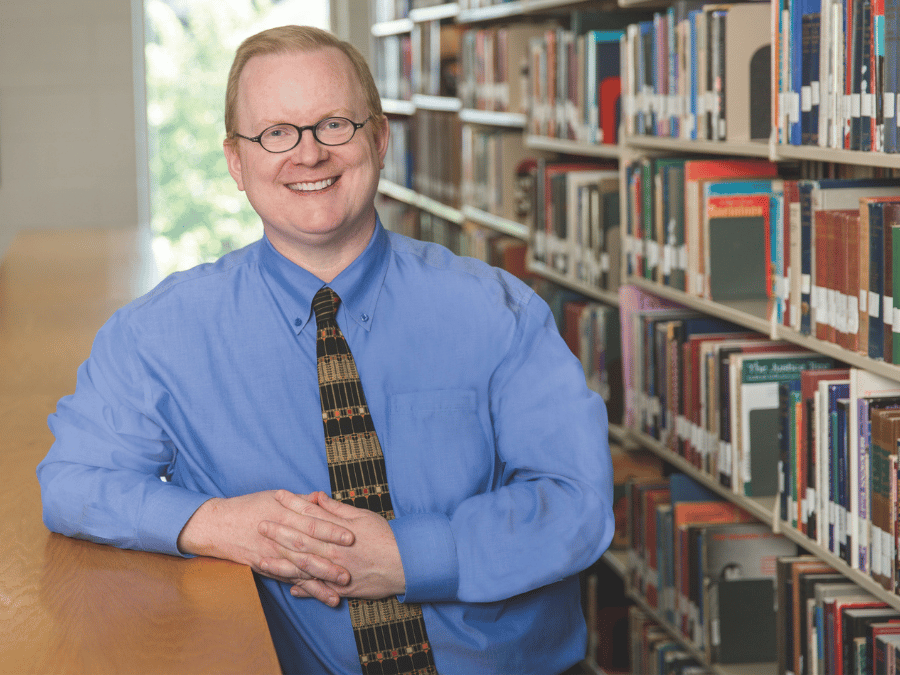
Rev. Jun-Hyok Chon serves three United Church congregations in rural Nova Scotia.
Thanks for reading
Independent journalism rooted
in faith and justice is under threat
Broadview is the only media organization in Canada offering thoughtful, values-driven journalism from an inclusive, progressive Christian perspective. But our work depends on your support. If you value what you've just read, please act now.
A gift today helps keep this journalism alive tomorrow.
With gratitude,