
Blood banks are on the verge of complete shutdown in Gaza as a broken ceasefire between Hamas and Israel continues to devastate the territory. According to Gaza Health Ministry figures cited by Reuters, more than 1,190 Palestinians have been killed since the October 2025 ceasefire took effect. Four Israeli soldiers have also died over the same period.
Broadview intern Rimsha Nasir spoke to Dorotea Gucciardo, the Canadian director of development for Glia, an Ontario-based medical solidarity organization that is currently working in Gaza.
You may unsubscribe from any of our newsletters at any time.
Gucciardo was asleep in Deir al-Balah on July 15 when she woke at 2:41 a.m. to what sounded like a crack of lightning, followed by a tremor that ripped through the building. The London, Ont., resident was on her fourth trip to Gaza, where she has spent the last six weeks providing wound care at Nasser Hospital in Khan Younis.
“It felt like it was shuddering,” she says. She later realized she had felt shockwaves. The blast had taken place only a couple of streets over. Within minutes, a message came through on her phone: an Israeli Air Force helicopter had launched a missile toward Khan Younis, killing three Palestinians.
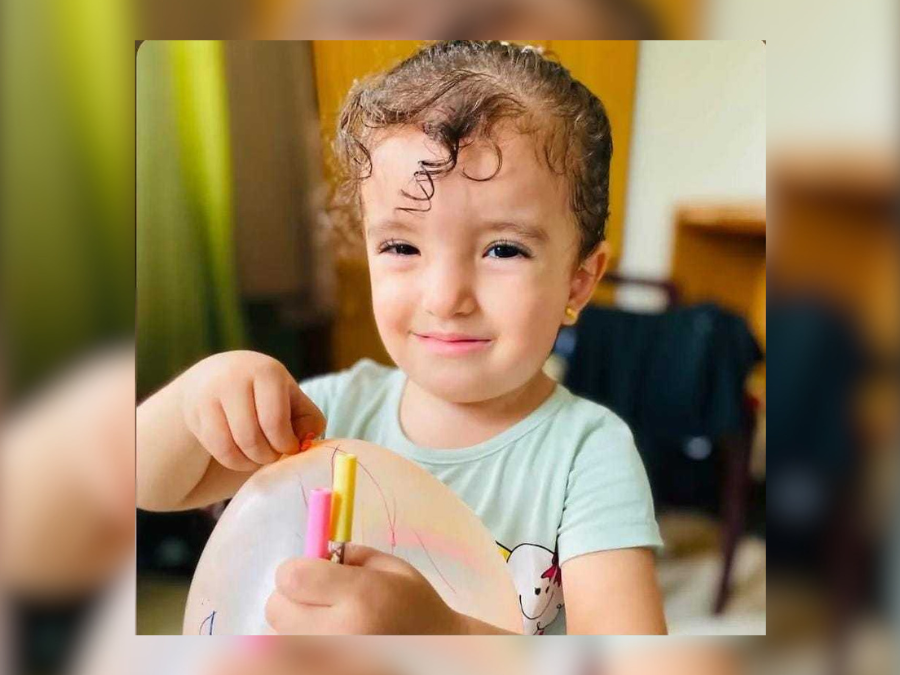
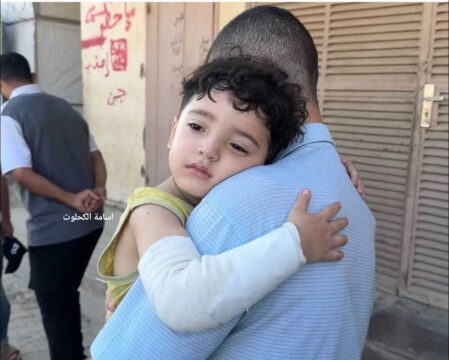
By morning, she learned who they were: a couple and their six-year-old daughter. Only their three-year-old son survived, with injuries to his arms and legs. The family is related to one of Gucciardo’s medical colleagues, who she says has lost 40 family members since the war began.
“That’s Gaza today,” Gucciardo says. “That was Gaza yesterday. That has been Gaza for the past three years.”
More on Broadview:
- ‘This is where I need to be’: A Canadian doctor reports from a Gaza hospital
- A Palestinian Canadian author’s journey of resistance through writing
- Palestinian Christians seek solidarity amid war and displacement
Violence comes by helicopter, drone, fighter jet and Israeli naval boats armed with machine guns patrolling the coast, she says, and from snipers along an expanding military perimeter now covering roughly two-thirds of the Gaza Strip, pushing an already displaced population into an ever-shrinking space. Israel says the buffer zones and military operations are necessary to combat Hamas and protect Israeli communities near the border.
“Surveillance is an act of violence,” notes Gucciardo. “It’s the blockade on the Gaza Strip which prevents the entry of critical supplies from coming in. And so a quiet form of this genocide is the lack of adequate nutrition, the lack of access to clean water and lack of access to medicine.” Israel denies that its actions in Gaza amount to a genocide.
A new United Nations report released last Thursday found that 1.4 million people — 67 percent of Gaza’s population — are experiencing crisis-level or worse acute food insecurity. While that is down from 77 percent at the end of last year, the report says the humanitarian situation remains dire.
For Gucciardo, the crisis is measured not only in statistics but in moments she can’t forget.
On one recent drive to the hospital, she passed tent encampments and garbage dumps where children scavenged plastic to burn for fuel. She saw a girl no older than two hunched beneath a water jug nearly her own size, her hands clasped behind her head to support the weight. Later that day, her first patient was a one-year-old boy being treated for a shrapnel wound in his back. His mother, injured in the same attack, was recovering at another hospital.
Another day, she recalls paying a home visit to a 41-year-old man paralyzed on his left side after being shot a year earlier at a Gaza Humanitarian Foundation aid site. The man has been confined to a tent since, cared for by his wife and eight-year-old son, in temperatures that can reach 50 degrees Celsius. Slow deaths like this, Gucciardo note, rarely make it into official casualty counts.
Yet she has also witnessed resilience: Palestinians have reopened cafés, reading groups and gathering spaces. A wedding venue that opened in February was booked solid within a week.
“For me, and for all Canadians, hope is a choice,” she says. “We can choose hope, or we can choose to feel hopeless.”
***
Rimsha Nasir is an intern at Broadview.
Thanks for reading
Independent journalism rooted
in faith and justice is under threat
Broadview is the only media organization in Canada offering thoughtful, values-driven journalism from an inclusive, progressive Christian perspective. But our work depends on your support. If you value what you've just read, please act now.
A gift today helps keep this journalism alive tomorrow.
With gratitude,





Checked temperatures in Gaza. They do not reach 50 degrees.
I would sugghgest you correct this before the whole article becomes suspect!
Editor’s note: There is no inaccuracy in the article. The passage refers to temperatures reaching as high as 50 C inside tents, rather than to official outdoor air temperatures in Gaza. That statement reflects the observations of Dorotea Gucciardo, who was interviewed for the story. International Rescue Committee have documented similarly extreme temperatures inside tents and other temporary shelters.