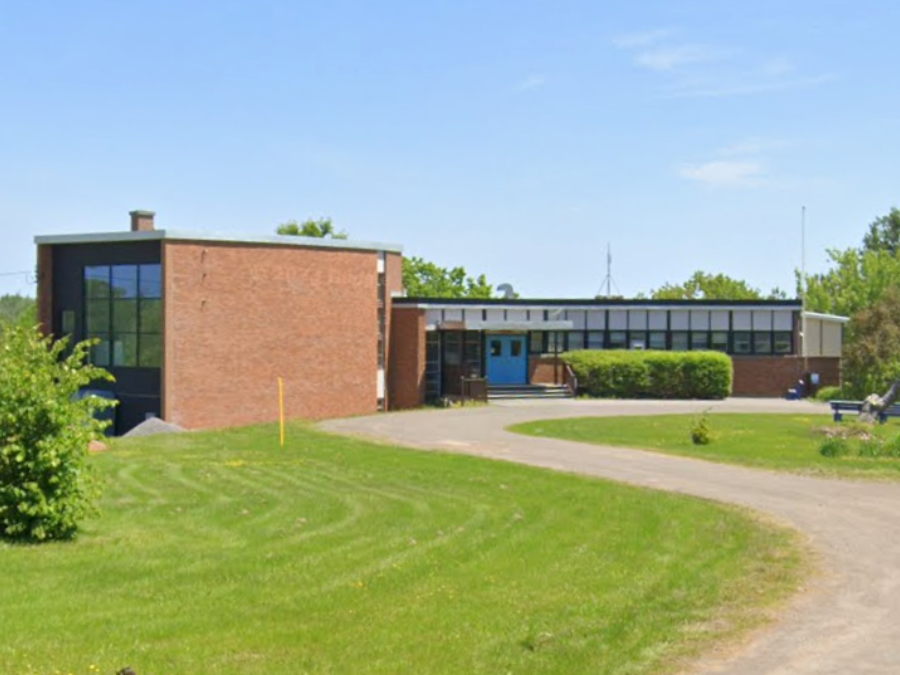
The Tatamagouche (N.S.) Centre is at a crossroads. After almost 72 years in operation as a United Church of Canada retreat centre, it has paused all operations due to financial constraints and will decide by the end of January if it must permanently close.
“It’s been a place of gathering, of healing and of retreat,” says Nanci Lee, former executive director of the centre and an adviser to the board. Lee sees Tatamagouche Centre as a progressive space that has walked the talk long throughout its long history — “a place that was willing to roll up its sleeves and work on the messy issues.”
You may unsubscribe from any of our newsletters at any time.
The Tatamagouche Centre is also a leader in rematriation, which is a commitment to restoring the relationships between Indigenous peoples and their ancestral lands and artifacts. In the early 2000s, the Wampanoag Tribe invited the retreat centre to partner with them in what became the Neighbours’ Program, which brought together Indigenous peoples and settlers to rekindle the spirit of the Peace and Friendship Treaties.
In 2016, from across the Confederacy met at the centre and formed Women of First Light, an organization dedicated to strengthening their communities by restoring Indigenous knowledge, traditions and practices.
More on Broadview:
- Charlie Angus sounds the alarm on fascism
- Wab Kinew is just getting started
- U.S. bishop goes viral with comments about ‘new era of martrydom’ to resist state injustice
As Tatamagouche Centre developed serious financial difficulties — due to rising maintenance costs, dwindling government funding, an aging donor base and decreased enrolment — its leaders hoped to transfer stewardship of the land to Women of First Light. The idea of rematriating the property had been discussed for two decades. That vision was articulated in a memorandum of understanding signed in June 2025 between The United Church of Canada, Women of First Light and the Tatamagouche Centre, which agreed to rematriate the land and allow a vision of healing to take place.
“We knew immediately that this was sacred ground,” says Catherine Martin, co-chair of Women of First Light and member of the Millbrook First Nation. “It is very significant to our people of today and of the past — where the two rivers come together and go into the ocean. We knew we needed to protect this land.” Women of First Light is working with an eye to seven generations into the future by showing young people how to learn their traditions and strengthen their communities. But the organization can’t afford the costs of building maintenance, renovations and program staff. They hope to find another way to cover expenses and to fulfil the memorandum of understanding.
A meeting of Tatamagouche’s partners was held in November when it became apparent that the centre’s financial situation was unsustainable. The board is currently going through a community consultation process, seeking feedback and ideas, with a decision pending at the end of the month.
“It’s a special place,” asserts Karen Fish, Tatamagouche Centre board member. “In some ways, it’s particularly beautiful right now. The will is strong to find a solution as we navigate growing out of where we’ve been and to a place where there’s actually a land transfer agreement, and where Women of First Light can dream without losing sleep.”
Everyone involved emphasizes that relationships are the way forward. “We have the trust,” says Lee. “For most of us, that’s what we’re leaning on. There’s grief, of course, but if we lean on the relations and what’s been possible, it’s a very sacred moment that we’re in.”
The Atlantic Christian Training Centre purchased the property in 1954, offering adult education programs to clergy and laity. In the 1990s, the centre changed its name to Tatamagouche and refocused its programming on social change and environmental awareness.
***
Kate Spencer is a writer in Halifax.
Thanks for reading
Will you help support United Church reporting?
Broadview is the only media organization dedicated to telling the stories of The United Church of Canada — its big decisions, perspectives and the faithful people and communities at its core. But this essential work depends on you.Make a tax-deductible gift today — 100% of your donation goes directly to supporting United Church coverage.

With gratitude,