It’s been 60 years since the Quiet Revolution emptied church pews and transformed Quebec society. The build-up to that moment — when Quebecers rejected the societal control of the Roman Catholic Church and its political partner, the Union Nationale — was decades in the making. And in many respects, the wounds of that oppression are still visible today.
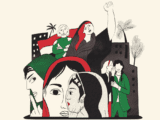
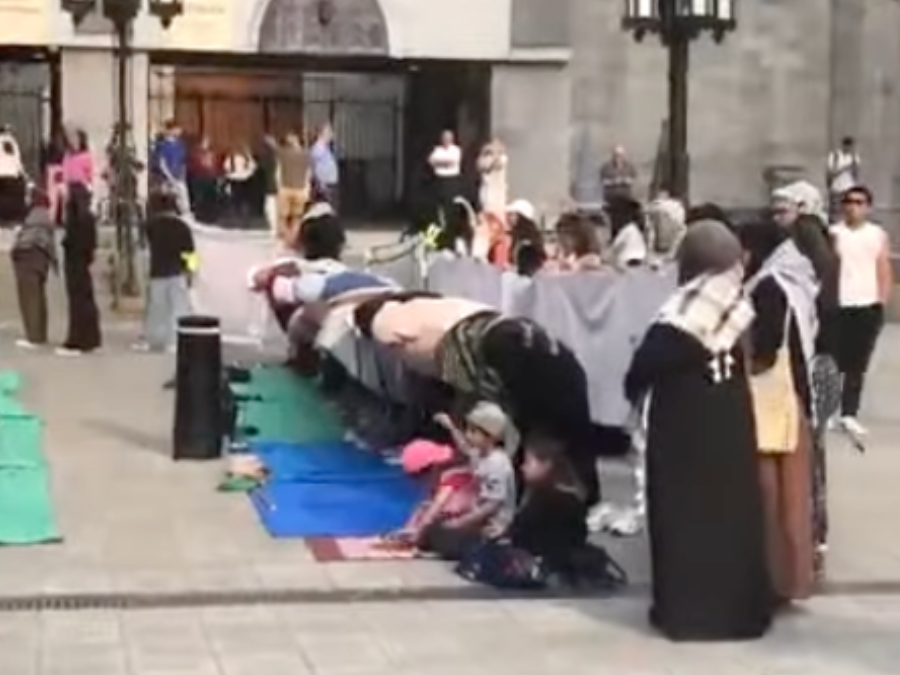
The Quebec government’s Bill 9 is the latest effort to get all religious expression out of the public view. If passed, the new law will require permits for public prayer, eliminate prayer rooms from schools, prevent students and staff from wearing face coverings from daycare through to post-secondary, and require public institutions like hospitals to offer non-religious menus alongside kosher or halal foods. Bill 9 builds on two previous secularism laws, passed in 2019 and earlier this year.
You may unsubscribe from any of our newsletters at any time.
Many voices from outside Quebec chalk up the secularization efforts to xenophobia and Islamophobia, as if Quebec somehow corners the market on these characteristics. What is unique in Quebec’s case is the “unholy alliance” between those who fear that the state will be once again enmeshed in a nationalist/religious mentality and those who are uncomfortable seeing a woman in a hijab. Given what’s going on with our neighbours to the south, Christian nationalism may not be an unreasonable or distant fear.
In its submission to the Quebec government’s consultations in June (available in French and English), the Nakonha:ka Regional Council (the United Church’s entirely Quebec-based regional council) shared its support for secularism as broad public policy but expressed its concern about the way the government was proceeding. The regional council proposed a more generous approach of “open secularism” whereby we celebrate religious pluralism and not relegate it to the privacy of people’s homes and places of worship.
Cross-cultural dialogue, including about religion, is key to a healthy and diverse society. As western society becomes increasingly polarized, relegating faith to private expression could create greater division and mistrust, and even strengthen radicalization. Exposure and relationships will foster greater understanding and a stronger sense of solidarity.
More on Broadview:
- In rare move, feds reach out to faith groups for help with measles outbreak
- Why today’s spiritual seekers are reviving ancient practices
- Elizabeth May sees hope in the rise of the first female Archbishop of Canterbury
I know this to be true from personal experience. In 1991, my partner and I went to Metropolitan Community Church of Toronto to celebrate a Holy Union. They told us that they wanted to track all these ceremonies in case there would come a time when same-sex marriage was legalized. Their hope was that these unions could be recognized retroactively. We laughed at the possibility that such a thing would be possible in our lifetimes. Fifteen years later, we stood in Chelsea (Que.) United Church and exchanged vows legally.
When I look back, I realize that visibility and openness were the key factors. When the 2SLGBTQ+ community stopped limiting who they were in the privacy of their own homes, it became harder for people to stereotype and stigmatize them. Transformation happened at the speed of relationships and visibility.
It is dangerous for us all when we edit out pieces of who we are in the world. While I appreciate the history behind Bill 9, I fear it could reinforce division and suspicion in ways that will undermine the kind of societal vision that some Quebecers may have in mind when it comes to policies like this.
***
Rev. Éric Hébert-Daly is executive minister for Eastern Ontario Outaouais, Nakonha:ka and East Central Ontario regional councils. He’s lived most of his life in Quebec and now resides in Ottawa.
Thanks for reading
Independent journalism rooted
in faith and justice is under threat
Broadview is the only media organization in Canada offering thoughtful, values-driven journalism from an inclusive, progressive Christian perspective. But our work depends on your support. If you value what you've just read, please act now.
A gift today helps keep this journalism alive tomorrow.
With gratitude,