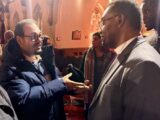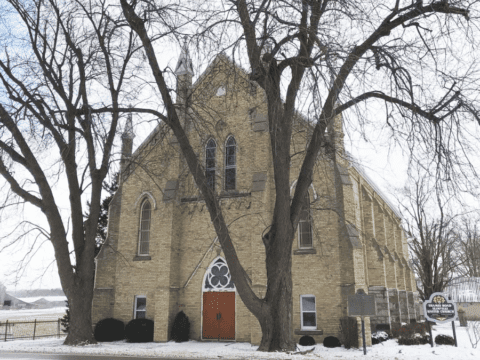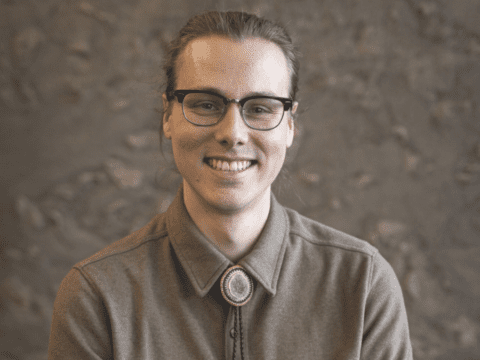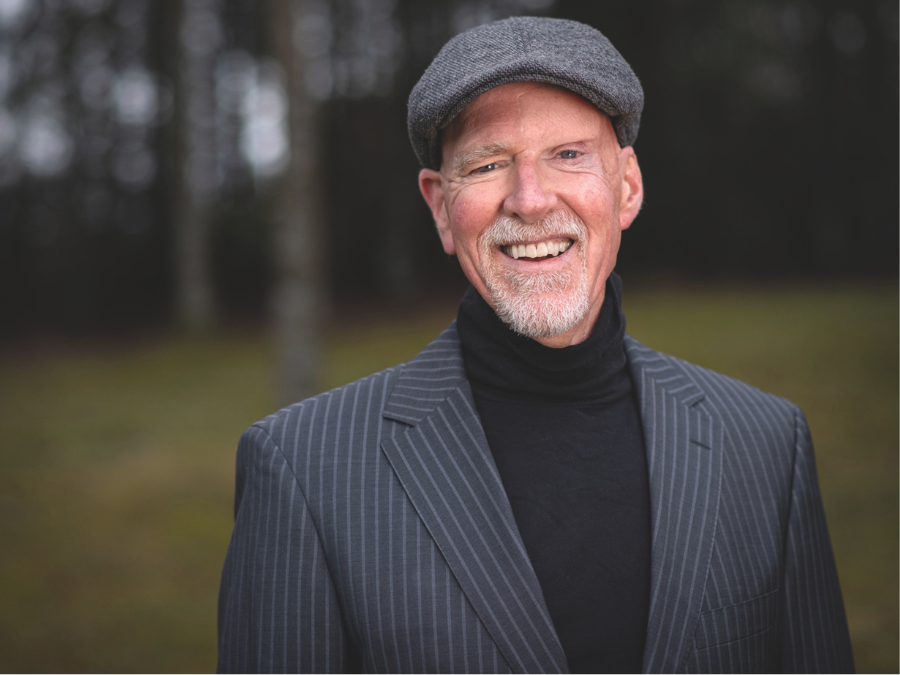
Very Rev. David Giuliano has had a variety of jobs — congregational minister, moderator of The United Church of Canada and in recent years, novelist. His second novel, The Upending of Wendall Forbes, came out this fall and explores how an aging couple cope with the arrival of a diverse group of strangers at their home during a snowstorm. Giuliano has also published two non-fiction books about his cancer journey along with two children’s stories. He retired from active ministry at St. John’s United in Marathon, Ont., in 2017.
Giuliano spoke with Emma Prestwich.
You may unsubscribe from any of our newsletters at any time.
On the inspiration behind The Upending of Wendall Forbes:
I was 62 when I published my first novel, The Undertaking of Billy Buffone, in 2021, and I was starting to think about what it means to live a good life as an older person. I wanted to be healthy and well, but I also wanted to be welcoming to this stage of life. And so that’s where I started. I’m on the tail end of the baby boomers, and Wendall and his wife, Ruby, are solidly in the middle of it. What are the responsibilities and accountabilities of baby boomers to the present context of the world, and what will our legacy be? So I’m exploring those things.
On pivoting to fiction:
Mostly what I wrote in the past, whether it was memoir or about spirituality or social justice, I had a point. I was writing something to communicate a particular idea. And if I wrote it well, people got it. I’ve been saying often lately that fiction is completed in the reader’s imagination. It’s not complete when I publish the book; it’s complete when someone reads it and creates the world from what I’ve prepared in their imagination. I really enjoy that kind of co-creation together.
More on Broadview:
- Quebec’s struggling churches are finding new life as homeless shelters
- United Church leader who delivered landmark 1986 apology dies
- Alex Neve on why Canada still falls short on human rights
On the contrast between writing and leading a congregation:
Both were opportunities to be creative. Ministry has the space for a lot of creativity if you take it. But I think what happened with the church is that everyone was really content, which I don’t think is a healthy thing for a church, and certainly not for me. I’m still quite engaged in the community, just not as a minister.
On how writing sermons compares to writing books:
A good sermon operates on a lot of levels. I’m always happiest when there’s a sense of interaction, even if it’s not spoken. When I’m preaching, especially since I don’t use notes, I can see when people are resonating with something, and feel free to move around within that. And I guess the difference is the timeline. The preaching is so immediate, and you’re interacting with the person hearing it. With the novel, it’s three years alone in my office, and just now I’m beginning to hear and experience people reacting to it. I’ve learned a lot about patience, but I really enjoy it.
***
This interview has been edited for length and clarity. It first appeared in Broadview’s January/February 2026 issue.
Emma Prestwich is the digital and United Church in Focus editor at Broadview.
Thanks for reading
Independent journalism rooted
in faith and justice is under threat
Broadview is the only media organization in Canada offering thoughtful, values-driven journalism from an inclusive, progressive Christian perspective. But our work depends on your support. If you value what you've just read, please act now.
A gift today helps keep this journalism alive tomorrow.
With gratitude,