Trudy Sailors still remembers the day a bishop in the Anglican Church of Canada told her that her parish would have to move out of its beloved church. Growing up next to St. Thomas’ Anglican Church in the 1960s, Sailors saw firsthand the important role it played as a gathering place in the community.
Consecrated in 1864, St. Thomas’ Anglican served generations of worshippers in the Moose Cree First Nation community in Moose Factory, near James Bay in northern Ontario. But by 2006, the building had fallen into disrepair, prompting the Anglican diocese of Moosonee to order its deconsecration and closure. “It was sad,” remembers Sailors, who was baptized in what came to be known as Old St. Thomas. Since then, Sailors says the Anglican congregation has moved into a nearby Catholic church.
You may unsubscribe from any of our newsletters at any time.
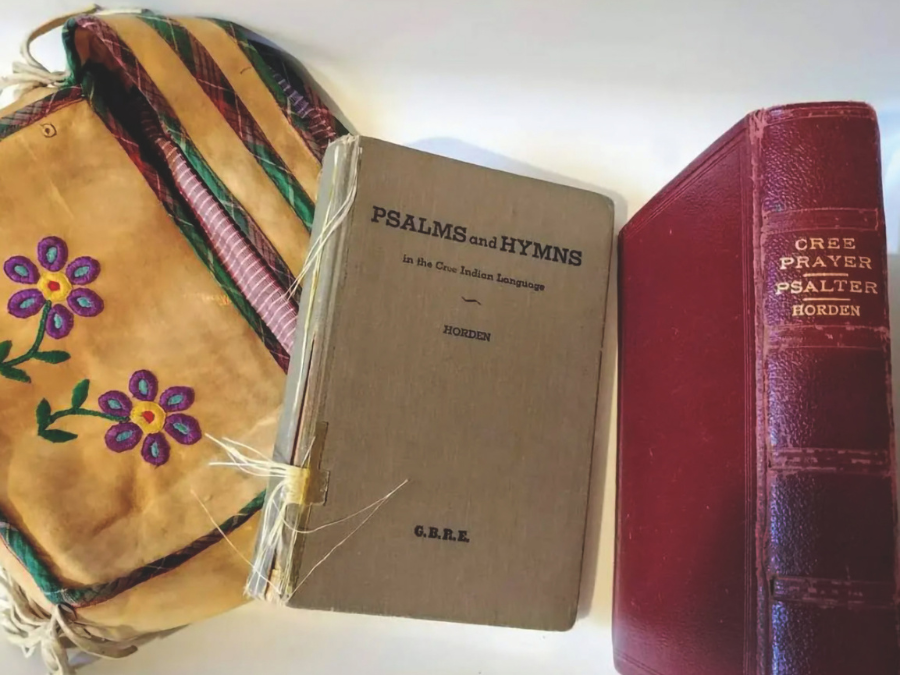
Moose Factory was founded on traditional Cree lands as an early trading post of the Hudson’s Bay Company in the 1670s. For most of its history, Anglicanism was the primary form of Christianity in the community, says Cecil Chabot, who was born and raised there. The church operated Bishop Horden Hall residential school in Moose Factory until 1976. Today, some residents are shedding settler spiritual traditions in favour of resurgent Cree ones, while others have been drawn to newer evangelical denominations.
These days, only a dozen or so churchgoing Anglicans are left in Moose Factory, but the community isn’t giving up on its historic church. A plan to restore and reopen Old St. Thomas as a multi-use community centre has gathered support over the last five years, proving that even a congregation that is small in numbers and low on funds still has significant gifts to offer.
More on Broadview:
- A 48-storey answer to a small church’s big challenge
- Why a Catholic pharmacist saved a church in a small Ontario town
- ‘A school for how to love one another’: United Church’s new general secretary imagines a different future
As of this summer, contributions from community members, charitable foundations, the Moose Cree First Nation and other sources have brought the project about halfway to its $4 million fundraising goal, with plans to reopen the church by summer 2028.
Back in 2020, the Moose River Heritage and Hospitality Association (MRHHA) approached the diocese with a proposal to restore the church. “Permission was granted, and from here the relationship evolved,” explains Chabot, who is now MRHHA’s executive director. The diocese decided to retain ownership of the church, but in 2023 it signed a co-management agreement with the MRHHA that cedes control of the building to the non-profit so MRHHA can lead the restoration and manage the facility when it reopens.
Once the restoration is complete, the Anglican parish will be able to worship in the building again. But the space will also host all kinds of community events, with an emphasis on “programming that strengthens families, culture and language,” according to the agreement.
The restoration effort has united residents around a shared sense of history and place. “We all have buried loved ones here, so this is sacred ground for all of us,” said Moose Cree First Nation Chief Peter Wesley in 2024, standing in the church’s cemetery.
That sentiment has helped move the community centre project to a near “shovel ready” stage, says Chabot.
For her part, Sailors is looking forward to the day when the whole community can make use of the church. Moose Factory residents are “going to be happy to be together in the building again,” she says. “There’s going to be a lot of joy in being there.”
***
Will Pearson is a journalist in Peterborough, Ont.
This article first appeared in the September/October 2026 issue of Broadview with the title “Shared Stewardship.”
Thanks for reading
Independent journalism rooted
in faith and justice is under threat
Broadview is the only media organization in Canada offering thoughtful, values-driven journalism from an inclusive, progressive Christian perspective. But our work depends on your support. If you value what you've just read, please act now.
A gift today helps keep this journalism alive tomorrow.
With gratitude,