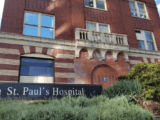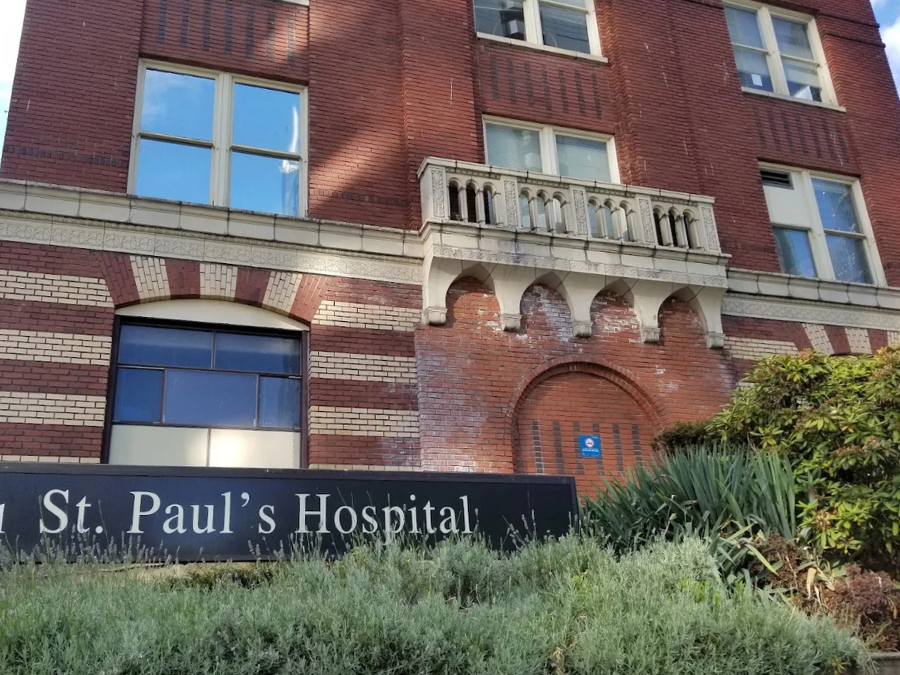
When Sam O’Neill — a 34-year-old terminal cancer patient — decided to pursue medical assistance in dying (MAID), she was transferred from St Paul’s Hospital in Vancouver, where she was being treated. The hospital, operated by the Catholic-based care provider Providence Health Care, does not provide the procedure under its ethical and religious guidelines. In O’Neill’s mother, Gaye O’Neill — along with Dr Jyothi Jayaraman and the advocacy group Dying with Dignity, launched a lawsuit against the Providence Health Care Society, the BC Ministry of Health, and the Vancouver Coastal Health Authority. As Canadians await a verdict later this year, the case is poised to test the boundaries between individual rights and institutional conscience in the healthcare system.
Her lawyers argued that the transfer violated O’Neill’s charter rights to “life, liberty, and security of the person” and “freedom of religion”. Because the hospital is partly publicly funded, they also claim it should provide all legal medical procedures — and that institutions, unlike individuals, do not hold Charter rights such as freedom of conscience that would allow them not to do so.
You may unsubscribe from any of our newsletters at any time.
Can institutions claim conscience rights? I think they can. Institutions are persons. As legal persons, they have rights and autonomy that allow them to act consistently with their purposes. But whether such rights are fully recognized under Canadian law remains unsettled.
Canada has many religiously-affiliated institutions, including charities, schools, colleges and universities, social service agencies and hospitals. It is generally accepted that they can articulate moral positions, express ethical views, identify certain practices as unacceptable and, in some cases, refuse to participate in them. These commitments are often reflected in formal mission statements. The Charter acknowledges this in Section 29, which affirms the rights of denominational schools.
These claims rest on a deeper idea: that conscience has moral value. Its exercise can at times be praiseworthy: in protesting or refusing unjust laws, engaging in radical pacifism and tax resistance and in acts of whistleblowing. But conscience is not merely about refusal. In hospital care, it also involves affirming positive values: offering welcome, providing care and compassion without discrimination, stewarding resources responsibly, promoting justice and respecting human dignity. Faith-based hospitals have long sought to embody these commitments, with faith serving, for many, as a primary source of motivation and guidance. That they do not offer certain medical services is not the reason they exist, follow from their mission.
More on Broadview:
- Film project centres the lives of young people killed by fentanyl
- Rory Richards is breaking stereotypes and building Indigenous housing
- Canada is in a housing crisis. So why is it so hard for homeless people to vote?
The O’Neill case raises questions about the role of religion in public health care. Critics argue that recognizing the hospital’s faith-based identity amounts to privileging religion — specifically Catholicism — in a way that infringes on another person’s conscience rights. But objections to certain medical procedures are not uniquely religious; they are ethical. Much faith-based healthcare is grounded in natural law, an ethical tradition that predates Christianity. This framework holds that human life is valuable at every stage and that the deliberate taking of innocent life is wrong.
A critic may then ask: should the state fund institutions that promote particular ethical or religious views? In practice, it already does. Public support extends to schools, social service organizations like the YMCA and religious institutions through tax exemptions and charitable status because they provide a public service.
Those who hold these values are members of the public and taxpayers, and it is reasonable that their needs be reflected in publicly supported services. At the same time, those who do not share these views also benefit. After all, c adults benefit from the existence of schools; pacifists benefit from the existence of police and military protection; even those critical of political institutions benefit from the rights those institutions uphold. Faith-based hospitals similarly serve a public good.
There is no evidence that staff at St Paul’s Hospital sought anything other than to provide the best possible care to O’Neill by arranging access to the services she requested at a facility equipped to provide them. They acted in a way that respected both her needs and their institutional values. Few hospitals, if any, offer every service a patient may seek.
Sam O’Neill’s parents and friends were understandably saddened that they could not share in her final moments. But disagreement with the values of St Paul’s Hospital is not, on its own, sufficient grounds to restrict those values or withdraw public funding in order to override them.
**
William Sweet is a professor of human rights and biomedical ethics at St Francis Xavier University in Nova Scotia, and has served on regional, provincial, and national bioethics committees for over 25 years.
Thanks for reading
Independent journalism rooted
in faith and justice is under threat
Broadview is the only media organization in Canada offering thoughtful, values-driven journalism from an inclusive, progressive Christian perspective. But our work depends on your support. If you value what you've just read, please act now.
A gift today helps keep this journalism alive tomorrow.
With gratitude,